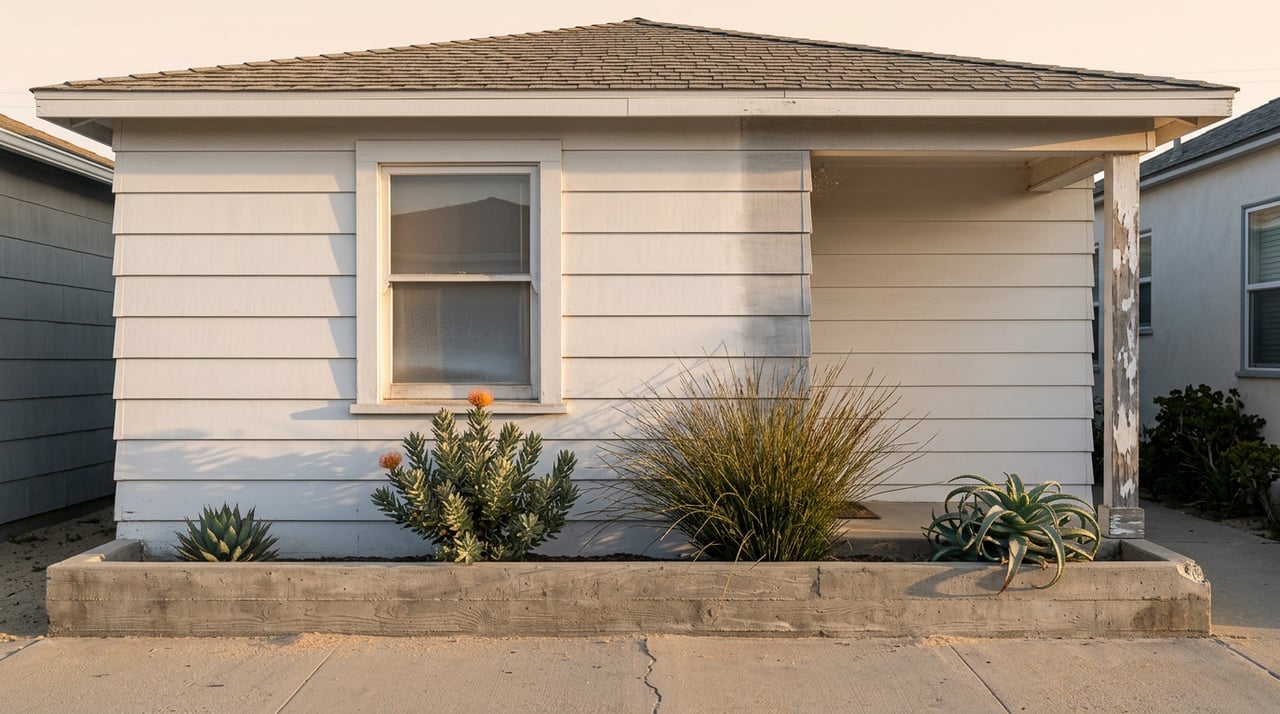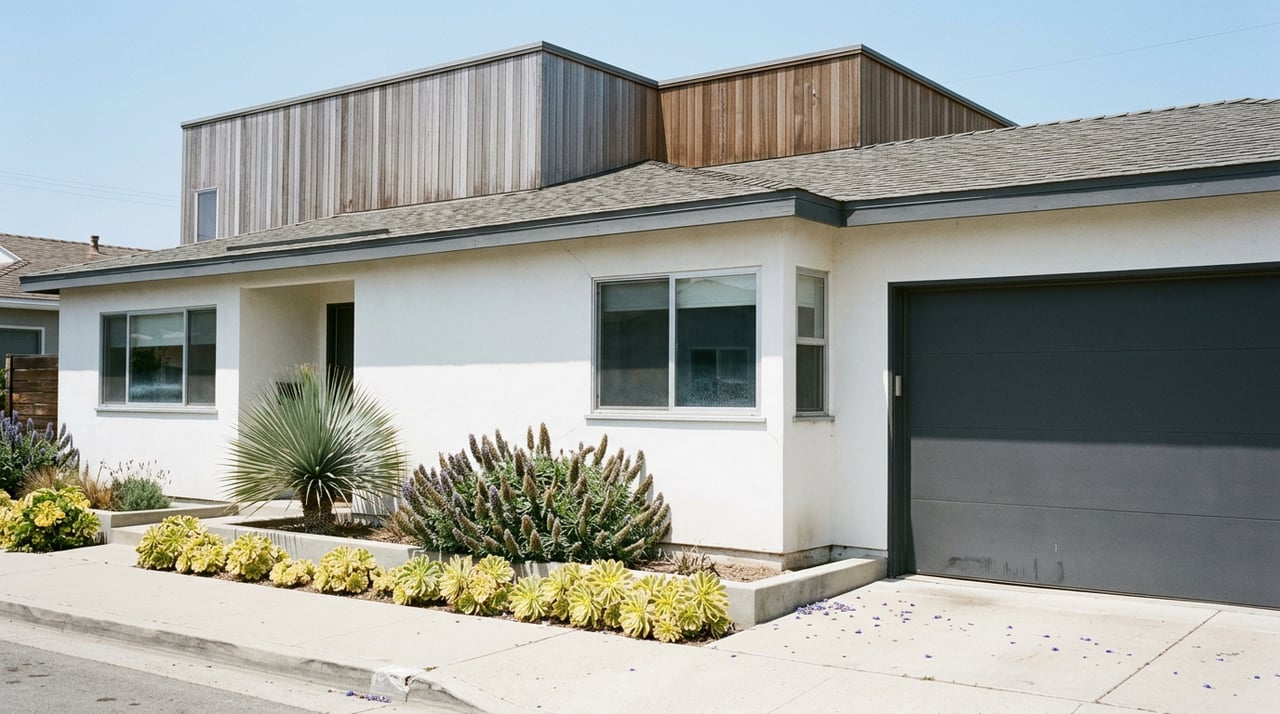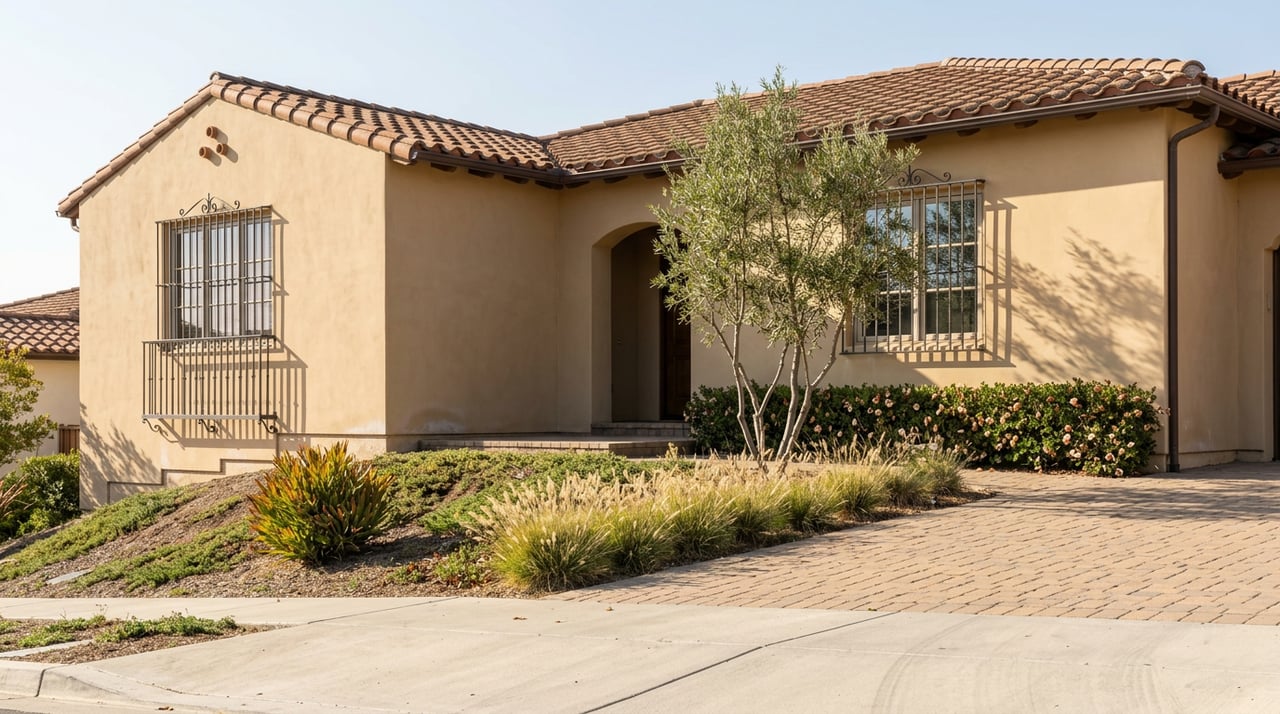
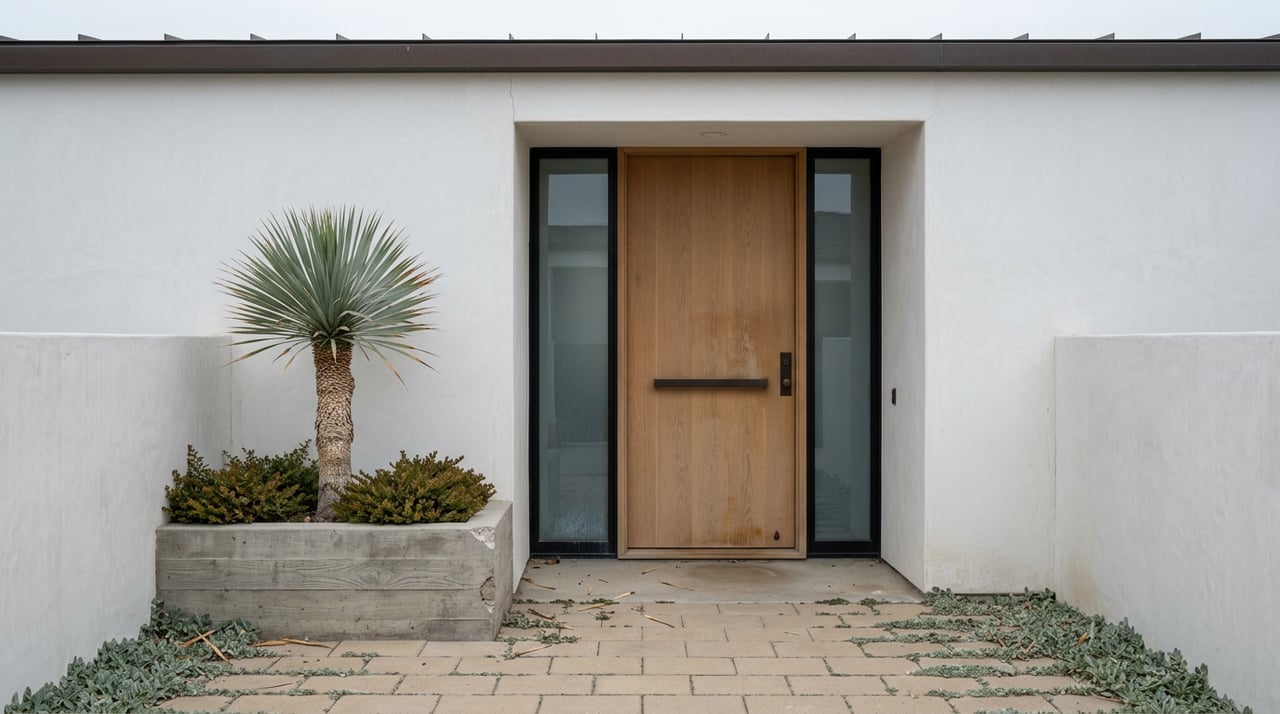
A four-bedroom home in Del Mar's Beach Colony can rent for $100,000 for the month right now, a few weeks into this year's racing season. A comparable four-bedroom a few doors down goes for closer to $60,000, and a modest two-bedroom a block off the sand still commands something near $18,500. These aren't typos. They're what the seven-week window around the Del Mar racing season does to short-term rental pricing, and every summer the numbers make headlines that leave outsiders assuming the whole Del Mar housing market is on fire.
Meanwhile, back in January, before the season even started, a detached home in the same zip code was averaging 45 days to sell, longer than the year before, and closing under its original list price more often than not. Nobody writes headlines about that.
Those two facts describe the same zip code in the same season, and they are not the same market. One is a short-term rental economy that spikes hard for seven weeks a year. The other is the actual business of buying and selling homes in Del Mar, and in 2026 it's telling a quieter, more complicated story than the rental prices suggest.
The Whale Economy Del Mar Runs On All Summer
The 2026 Del Mar Thoroughbred Club season opened July 17 and runs through Labor Day, September 7, roughly eight weeks of racing on Thursdays through Sundays. It's the 87th season for the track, and this year's calendar includes the Pacific Classic on August 22, a new fourth-floor speakeasy called the Handle Bar inside the Stretch Run building, and a loyalty program called the Diamond Club that gives regulars Free & Easy Thursdays with $5 hot dogs and $5 draft beers.
For property owners in Beach Colony and the Village, this stretch of summer is treated as its own season, separate from the rest of the year. Rental managers describe a client type in the industry as "whales," racing-world VIPs and their guests who book months in advance, often before track tickets even go on public sale in May, and who pay a premium for proximity, privacy, and turnkey service. A four-bedroom oceanfront rental commanding $60,000 to $100,000 for the month isn't unusual during the meet. It's simply a different product than what the same home would fetch as a long-term lease or, more importantly, as a sale.
That distinction matters because rental headlines travel further than sale data. When a buyer researching Del Mar sees a summer rental going for six figures a month, it's easy to assume ownership values are moving in the same direction. They aren't, and the actual sale numbers from earlier this year make the gap plain.
What the For-Sale Market Actually Did
According to CRMLS data for detached homes in the 92014 zip code, January 2026 showed inventory of just 25 active listings, down about 40.5% from the year before. Median sale price came in at $2,325,000, down roughly 30% year over year. Homes were taking an average of 45 days to sell, longer than the year prior, and sellers were closing at an average of 96.1% of their original list price rather than the over-asking bidding wars Del Mar built its reputation on.
That's one read. Here's a different one, drawn from the same zip code. Data covering all home types, not just detached houses, in 92014 put the median sale price at $2,974,117 as of May 2026, up 2.1% year over year. A separate home value index for Del Mar put the typical home value at $3,555,350 in its most recent update, down 3.4% over the past year. A citywide average house price figure, a different geographic cut than the zip code, put the number closer to $4.69 million, down 3.3% year over year.
Three readings, three different numbers, and none of them are wrong. They're measuring different things. The CRMLS figure covers detached homes only. The all-type median blends condos, townhomes, and houses together, which pulls the number in a different direction depending on what happened to close that month. The home value index is a modeled estimate rather than a straight median of closed sales. And with only two or three dozen homes changing hands at any given time, a single high-end estate closing, or failing to close, can swing a monthly median hard enough to erase or invent a trend that isn't really there.
The practical lesson for anyone comparing Del Mar to another North County community: when someone hands you a median price, ask what it's a median of, and over what window. In a market this thin, the metric you pick can tell you the market is up or down in the same month.
The Village Doesn't Move as One Market
Del Mar's citywide numbers also flatten differences between its own micro-neighborhoods, and those differences are large enough to matter for anyone actually shopping here.
- Del Mar Village, the walkable core near Camino Del Mar, showed 7 active listings in June 2026 with a median list price of $5,995,000 and average days on market of 52.
- Del Mar Terrace, an inland pocket of the same zip code, showed just 3 listings in July 2026, a median list price of $1,850,000, and an average of 111 days on market, more than double the Village's pace despite the much lower price point.
- Beach Colony and Olde Del Mar, the oceanfront enclaves that anchor the racing-season rental economy, remain some of the most tightly held addresses in the zip code, where inventory rarely reaches double digits regardless of season.
A buyer who hears "Del Mar homes are averaging 45 days on market" and assumes that number applies evenly across the zip code is missing the point. The Village and Terrace aren't competing for the same buyer, and a comp from one tells you almost nothing about pricing in the other.
Why the Fair-to-Track Gap Matters More Than the Racing Headlines
For years, the two weeks between the San Diego County Fair closing on July 5 and the track opening on July 17 has been a quiet stretch in the Village, a lull between two crowds. This year that gap filled up with permanent investment instead of empty storefronts.
Queenstown Public House opened in May in Del Mar Village, the first North County location for a hospitality group that already runs five other Queenstown restaurants around San Diego. Owner PJ Lamont told Axios San Diego that the moment he saw the space he couldn't walk away, saying it "feels like you're outside, even though you're inside." Two more restaurants, Honor Bar and Lobster Lab, were timed to open inside that same fair-to-track window this year, so their break-in period landed during the quiet stretch rather than during peak racing crowds. Honor Bar is set to be Hillstone Restaurant Group's first San Diego County location, at 1404 Camino Del Mar. Earlier this year, Coral Del Mar also took over the former Zel's space on Camino Del Mar with a Baja-Hawaiian-Southeast Asian menu, part of the same wave of village turnover.
None of that is a housing statistic, but it's a more honest signal of long-term confidence than a rental headline. A restaurant group doesn't sign a multi-year lease based on seven weeks of racing traffic. They're betting on the Village's population and foot traffic the other 45 weeks of the year, which is a bet on the same fundamentals a home buyer should be evaluating: who lives here full time, and what does the town look like when the horses aren't running.
What This Means If You're Comparing Del Mar to Somewhere Else
If you're weighing Del Mar against Encinitas, Solana Beach, or Carlsbad, the racing season is worth understanding but shouldn't be the deciding data point. A few things worth carrying into that comparison:
Ask which slice of the market any number describes. Detached-only medians, all-property medians, and modeled home value indexes will disagree with each other in a market with this little transaction volume, and none of them substitutes for a property-specific comparison built from actual recent closings in the same micro-neighborhood.
Treat the racing season as a seven-week event, not a market condition. The rental prices it generates are real, but they describe a different asset, short-term hospitality, not the long-term ownership market you're evaluating.
Longer days on market and a 96.1% list-to-sale ratio, as seen in January 2026 CRMLS figures, suggest more room for negotiation than Del Mar buyers have had in recent years. That's a meaningfully different opportunity than the one implied by six-figure monthly rental rates.
Two Questions Worth Asking Before You Assume Anything
Does the racing season itself move home values, not just rents? The data doesn't show a direct link. Sale prices and days on market reflect year-over-year trends tied to inventory and buyer demand, not a seasonal spike tied to race dates. The rental market and the ownership market respond to different pressures on different timelines.
Which number should I trust for a Del Mar comp? None of them, on their own. A zip-wide median, whether from CRMLS, Redfin, or Zillow, is a starting point for a conversation, not the answer. With as few as two dozen active listings citywide at any given time, the only number that means anything for a specific property is a comparison built from homes that actually match it in location, condition, and timing.
Del Mar rewards buyers who separate the spectacle from the spreadsheet. If you're trying to figure out what a specific property is actually worth in this market, or how it stacks up against a similar home in Encinitas or Solana Beach, that's a conversation worth having before you lean on a headline number. Aaron Castagna has spent two decades working these North County micro-markets and can walk you through what the current data actually means for your search. Let's Connect.