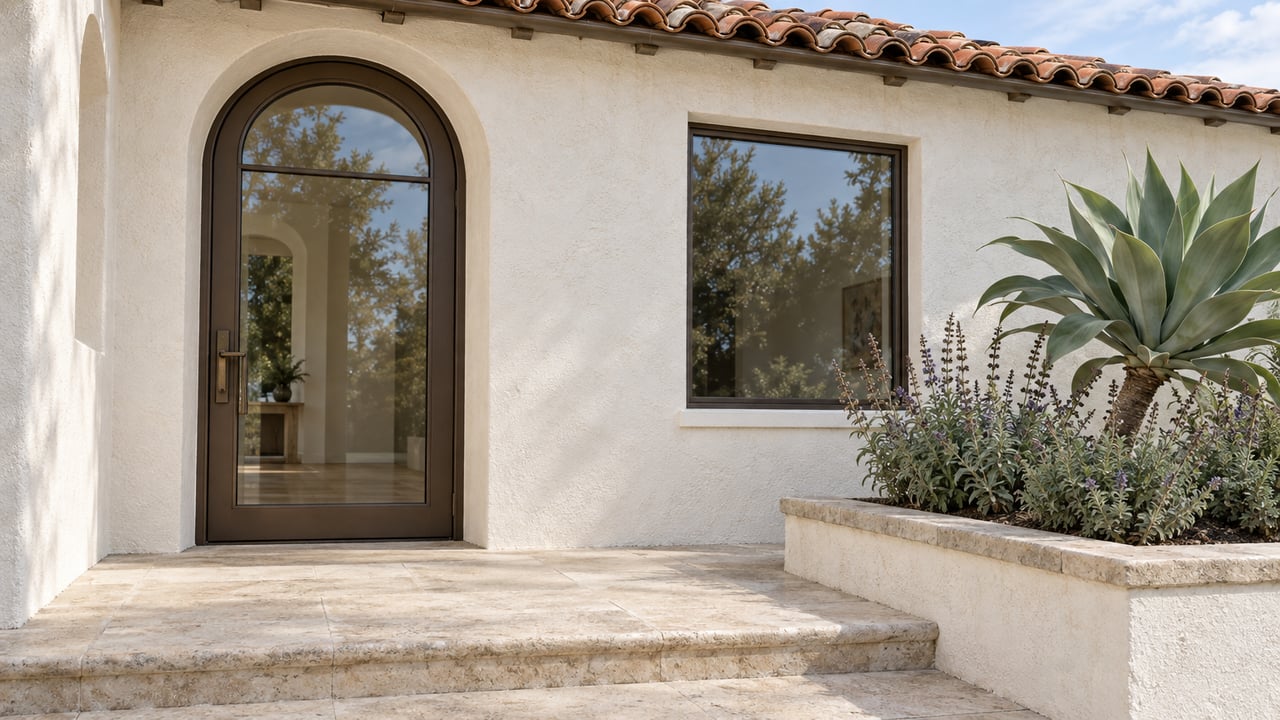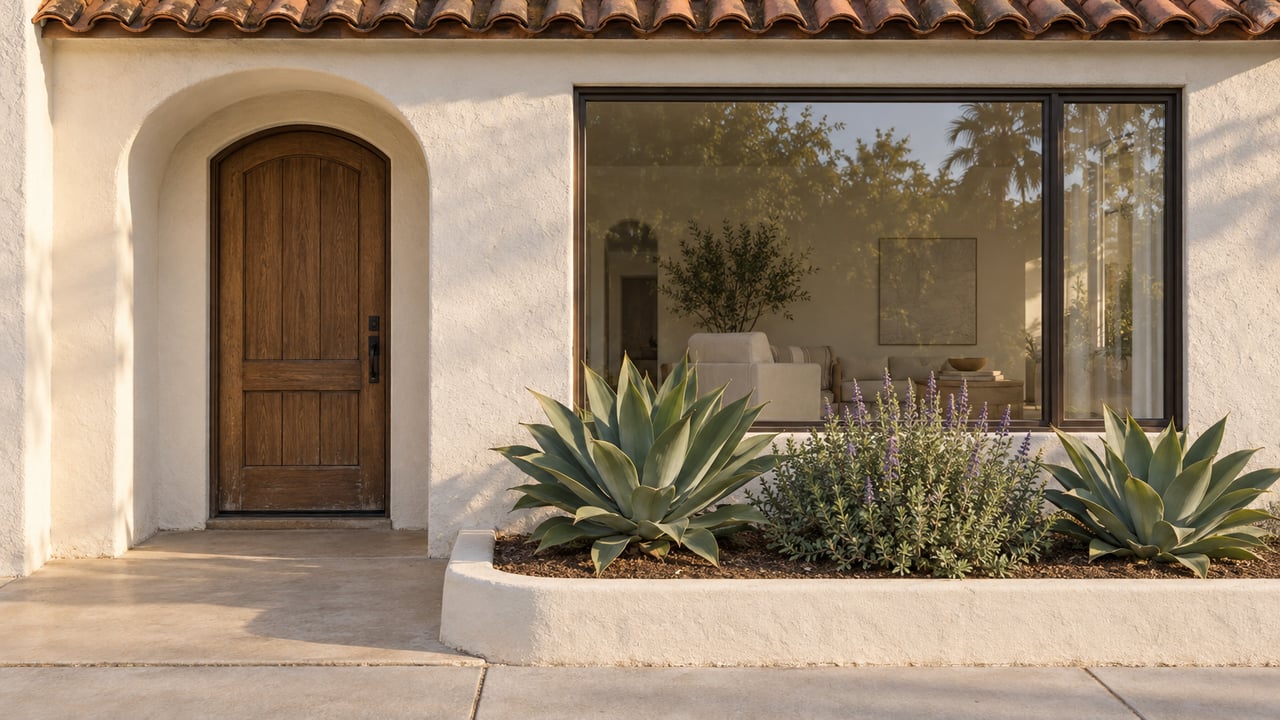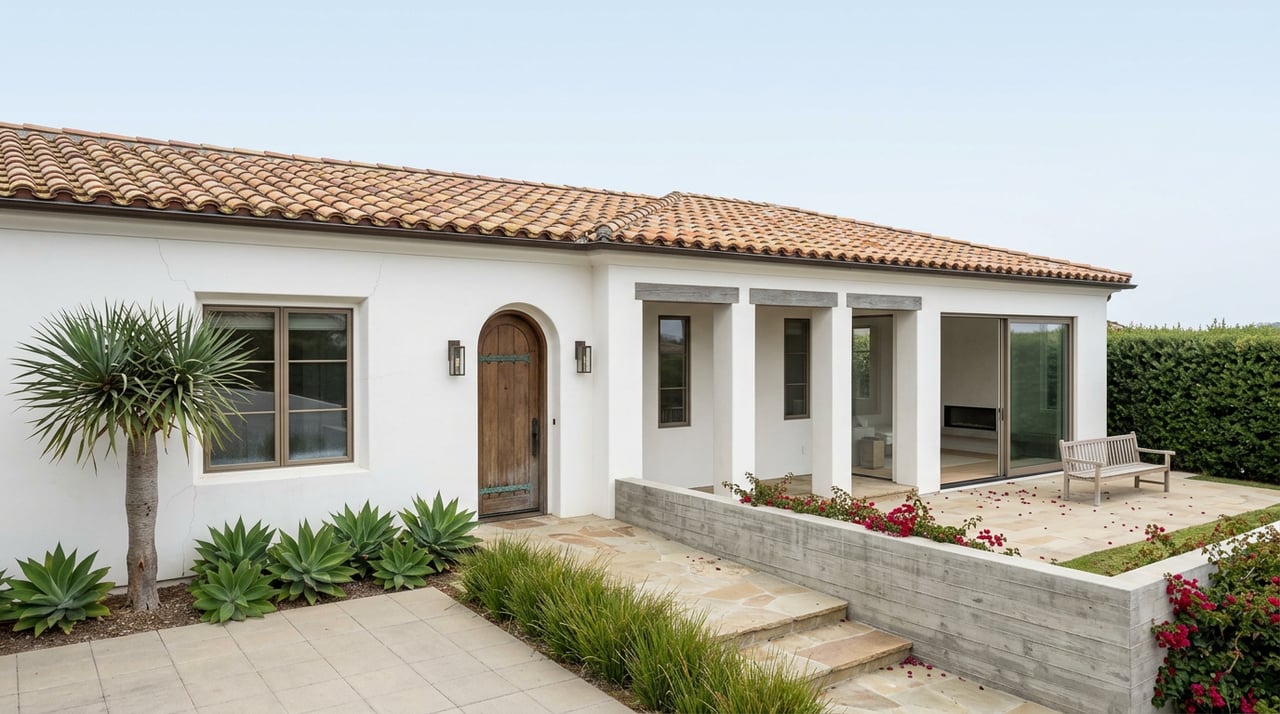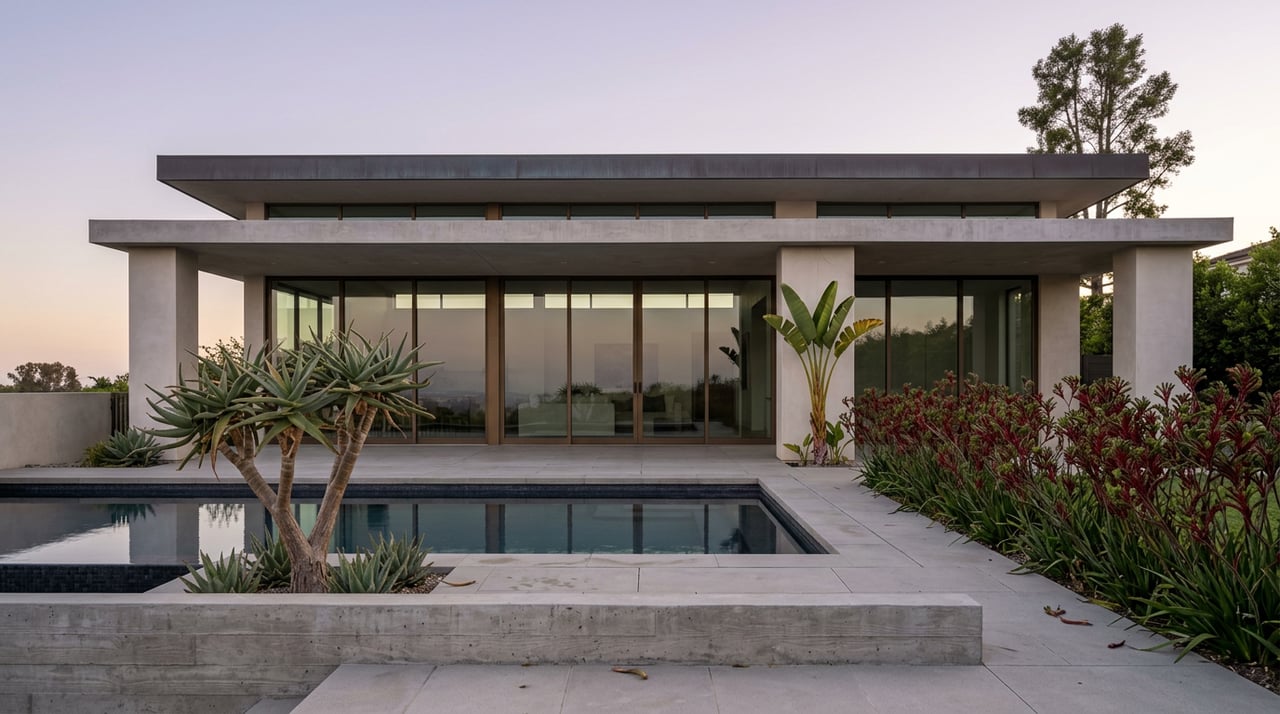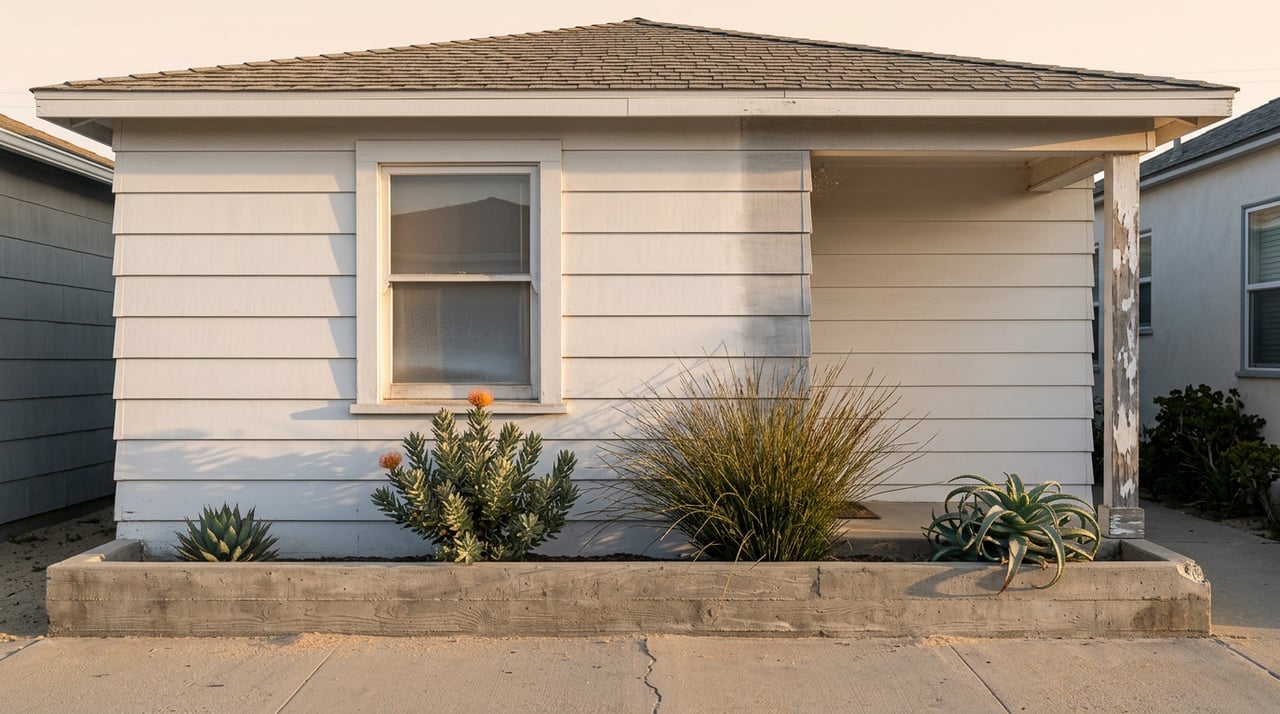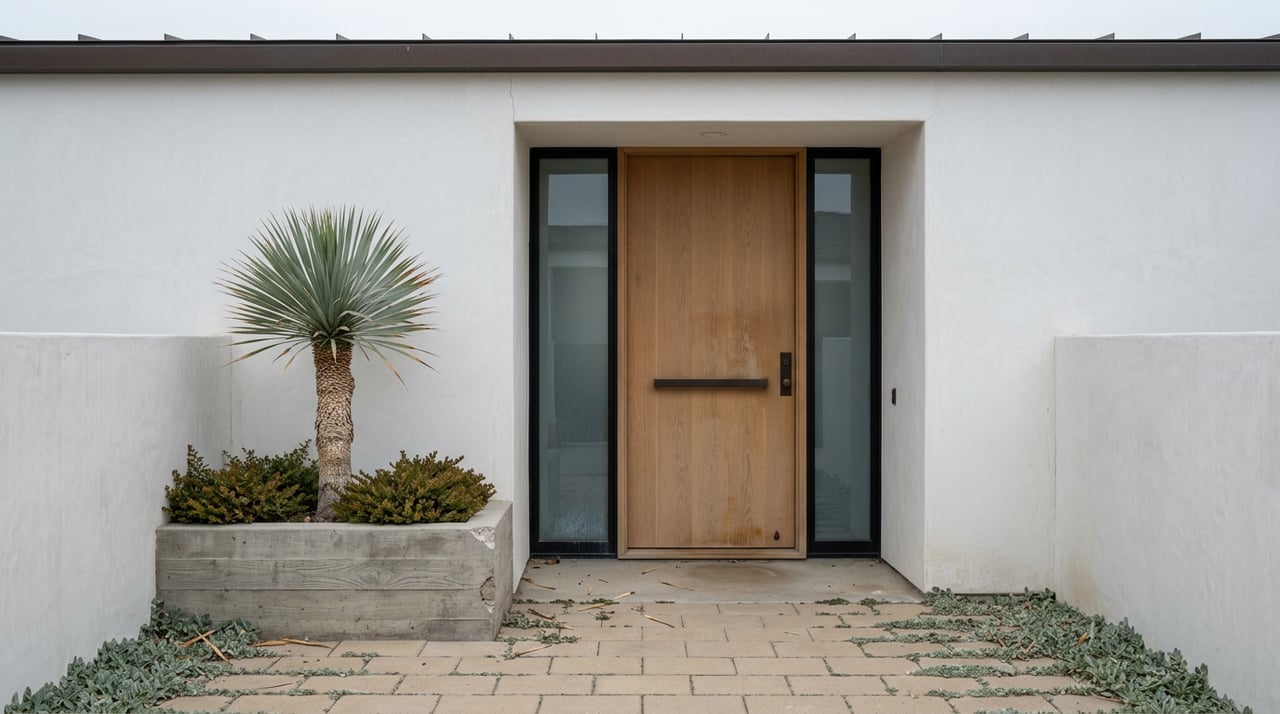
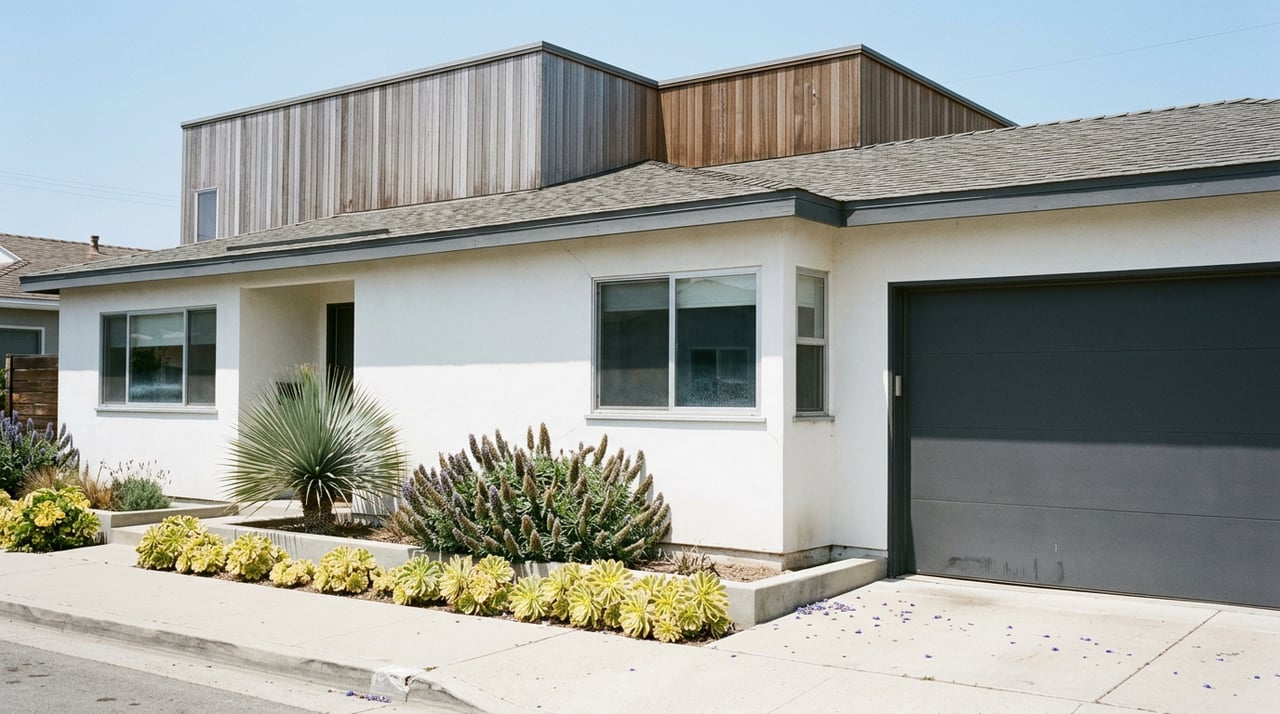
Two homes sell within a few weeks of each other in Encinitas, both west of the 101, both priced in the same range, both with new owners who want to add a primary suite or convert a garage into an ADU. One owner is pulling permits and pouring a foundation within two months. The other is still waiting on a hearing date a year later, paying a mortgage on a house that still looks like the listing photos.
Same city, same permit type, same three letters on the application: CDP. The difference isn't the size of the project or how good the contractor is. It's where the parcel sits relative to a line most buyers never think to ask about until they're already in escrow.
The Exemption You're Counting On Might Not Apply to You
Most California cities let homeowners make routine improvements to an existing single-family home without triggering a full coastal review. Encinitas' own municipal code spells out that exemption, but it comes with a catch buried in the same sentence: the improvement is only exempt if the property isn't governed by the Coastal Bluff Overlay Zone, which is its own separate chapter of the code, Chapter 30.34.
In plain terms, that means the ordinary "just updating our kitchen and adding a bedroom" project that would sail through in most cities can require full Coastal Development Permit review in Encinitas the moment the lot falls under the bluff overlay, no matter how modest the scope. A buyer who assumes their remodel qualifies for the standard exemption because it's "just a home improvement" needs to check that assumption against the parcel, not the project.
The Line That Decides Everything
Beyond the bluff overlay, there's a second layer: appeal jurisdiction. Encinitas' code defines it broadly. It covers the strip between the ocean and the first public road running parallel to the coast, which is Highway 101 through most of Leucadia and Cardiff. It also covers any parcel within 300 feet of a beach's inland edge, within 300 feet of the top of a coastal bluff's seaward face, or within 100 feet of a wetland or stream.
Land inside that band gets one thing land outside it doesn't: a real shot at ending up in front of the California Coastal Commission if a neighbor doesn't like what you're building, even after the city has already approved it. Land outside the band still needs a coastal permit in many cases, since most of Encinitas sits inside the Coastal Zone, but the appeal door closes at the City Council instead of staying open to the state.
That single geographic fact, not lot size, not remodel scope, is what separates a project that resolves at a planner's desk from one that ends up on a City Council agenda.
What the City's Desk Actually Looked Like This Summer
The contrast isn't theoretical. It played out on Encinitas' own public notices page within the same few weeks this past June.
| Address | Project | Review Track | Outcome |
|---|---|---|---|
| 1882 Wilstone Avenue | Attached ADU above an existing garage | Staff-level CDP, Notice of Determination | Decided June 22, 2026 |
| 2407 Oxford Avenue | Detached ADU above an existing garage | Staff-level CDP, Notice of Determination | Decided June 29, 2026 |
| 1353 Burgundy Road, Unit 3 | Detached ADU | Staff-level CDP, Notice of Determination | Decided June 30, 2026 |
| 501 Ocean Bluff Way | Subdivision of four lots into 27 residential units, including 3 affordable units | Appeal hearing before Encinitas City Council | Heard June 24, 2026 |
The four ADU projects moved through as routine staff decisions, the kind of coastal permit that clears without a public hearing at all. The Ocean Bluff Way project landed in a different track entirely: an appeal, filed May 18, 2026 by Carol Wood, that went to a City Council hearing rather than a staff sign-off. According to the city's legal notice, that particular Council decision was not eligible for further appeal to the California Coastal Commission, which is itself a reminder that even the ceiling on how far a dispute can travel depends on which jurisdiction the parcel falls under.
Four permits, one appeal, all filed under the same code chapter, all decided within about a week of each other. That's the range a buyer needs to picture, not the median.
The Bluff Has a Long Memory
There's a second friction that only shows up after you own the property, and it applies specifically to bluff-top parcels with existing seawalls or bluff armoring. A California Supreme Court case that began with two Leucadia bluff-top homeowners at Grandview and Neptune established that the Coastal Commission can cap a seawall permit's life at 20 years, and that once an owner builds under a permit's conditions, they give up the right to challenge those conditions in court. The ruling came down against the original homeowners, and it still governs how the Commission treats blufftop armoring today.
For a buyer, the practical version of that history is simple: if a bluff-top home already has a seawall, ask when the permit clock started. A wall approved in the mid-2000s could already be approaching a renewal review that has nothing to do with your purchase and everything to do with a condition attached long before you owned the house.
What This Actually Costs You in Time
None of this shows up on a listing sheet, but it shows up on a calendar, and a calendar has a dollar value when you're carrying a mortgage on a house you can't yet live in the way you planned.
A straightforward administrative coastal permit, the kind that resolves the way the four ADU projects above did, typically takes a matter of weeks to a couple of months. A standard discretionary CDP that requires design review and technical reports, without an appeal, usually runs three to six months. Add an appeal, or add the geotechnical, biological, or drainage studies that bluff-adjacent and habitat-adjacent parcels often require, and the timeline stretches to six to eighteen months or longer.
That's not a rounding error against a purchase price. It's a real number of extra mortgage payments, insurance premiums, and property tax installments a buyer should build into a renovation budget before they write an offer, not after.
There's a reason the state has started paying attention to the same bottleneck. Senate Bill 1077, authored by state Senator Catherine Blakespear, directed the California Coastal Commission and the state's housing department to write guidance aligning coastal ADU review with the rest of California's ADU law, with that guidance due by July 1, 2026. Whether it actually closes the gap between a two-month permit and a year-long one is still an open question, but it's a sign the friction described here is well known to the people who write the rules, not just the people who live under them.
Before You Write the Offer
A few questions are worth asking while you still have contingencies, not after:
- Ask the City of Encinitas Development Services Department directly whether the parcel falls under the Coastal Bluff Overlay Zone, not just whether it's "in the coastal zone." Both can be true at once and they trigger different rules.
- Ask whether the parcel sits within the appeal jurisdiction band, meaning within 300 feet of a bluff edge or beach, within 100 feet of a wetland or stream, or between the ocean and Highway 101.
- If there's an existing seawall, revetment, or bluff stairway, request the original permit and its expiration date. A structure that looks permanent may be on a 20-year clock that started before you owned the home.
- Pull the property's permit history before you finalize a remodel budget. Unpermitted prior work on a coastal parcel can complicate financing and resale, and it can also complicate your own permit application.
- Build your renovation timeline around the slower scenario, not the fast one. If the parcel clears the standard exemption and sits outside the appeal band, you may be pleasantly surprised. If it doesn't, you'll already have planned for it.
FAQ
Does every remodel in Encinitas need a Coastal Development Permit? No. Many interior-only projects and minor improvements to an existing single-family home are exempt, but that exemption doesn't apply if the parcel falls under the Coastal Bluff Overlay Zone. Confirm with city planning staff before you assume either way.
If my project is approved by the city, can a neighbor still stop it? It depends on where the parcel sits. Projects inside the appeal jurisdiction band can be appealed to the California Coastal Commission even after city approval. Projects outside that band, like the Ocean Bluff Way case this June, may have their appeal path end at the City Council instead.
How do I find out if a specific address is in the appeal jurisdiction? The City of Encinitas maintains a Post-LCP Certification Permit and Appeal Jurisdiction Map that shows exactly which parcels fall under city authority and which fall under Coastal Commission appeal jurisdiction. Development Services staff can confirm a specific address against that map before you write an offer.
Buying a coastal property in Encinitas isn't just about the view or the price per square foot. It's about understanding which regulatory track your specific parcel sits on before you fall in love with the renovation plan. If you're weighing a purchase in Leucadia, Cardiff, or anywhere west of the 101 and want a clear read on what a property's coastal status actually means for your timeline, Aaron Castagna can help you ask the right questions before you're locked into a contract. Let's Connect.