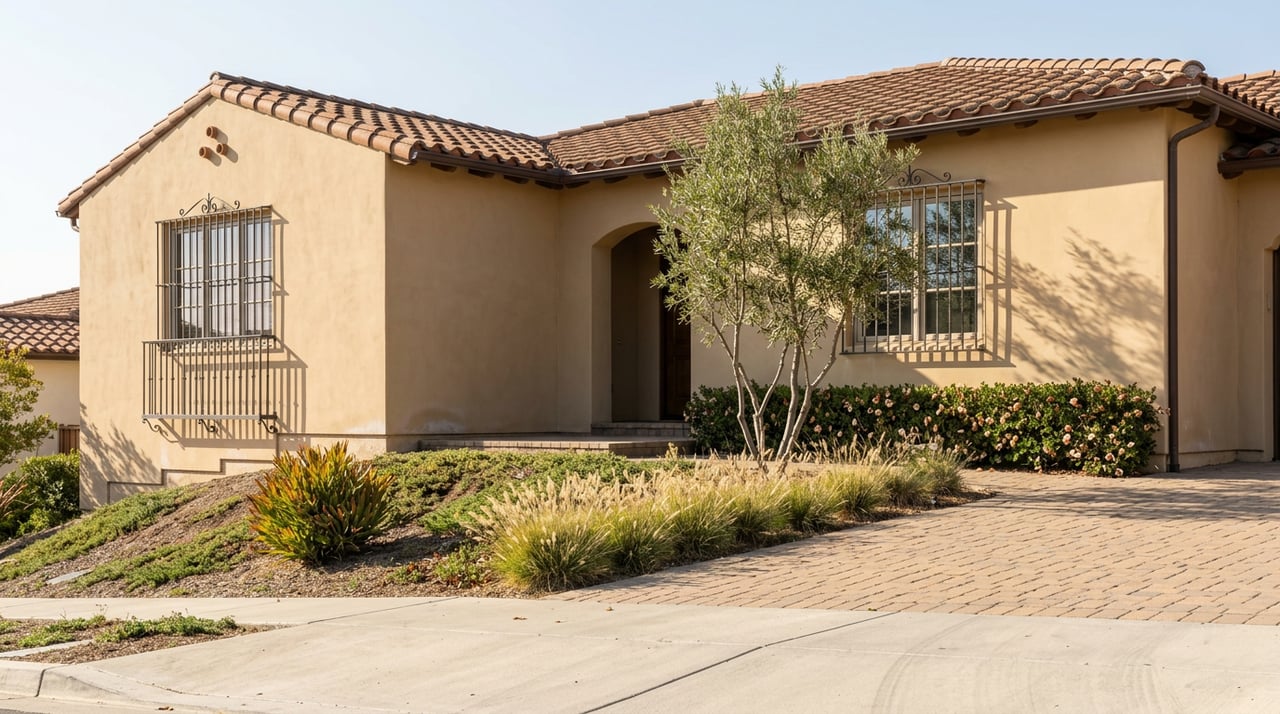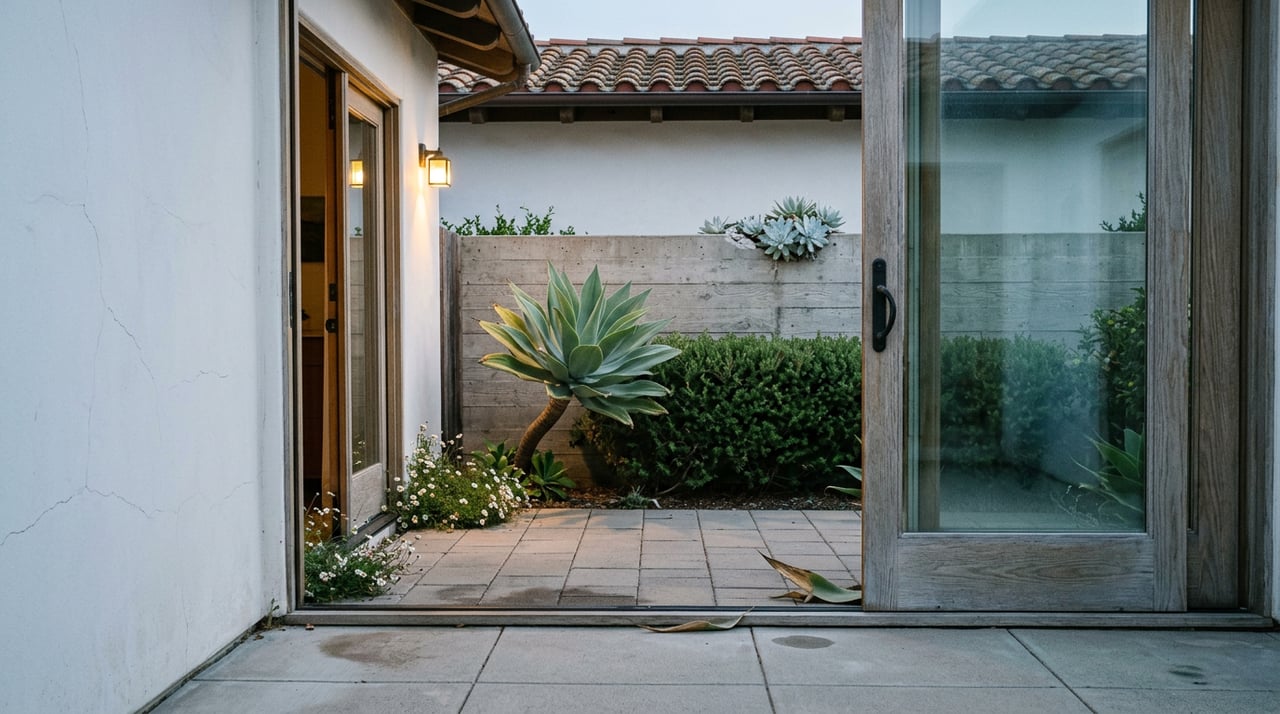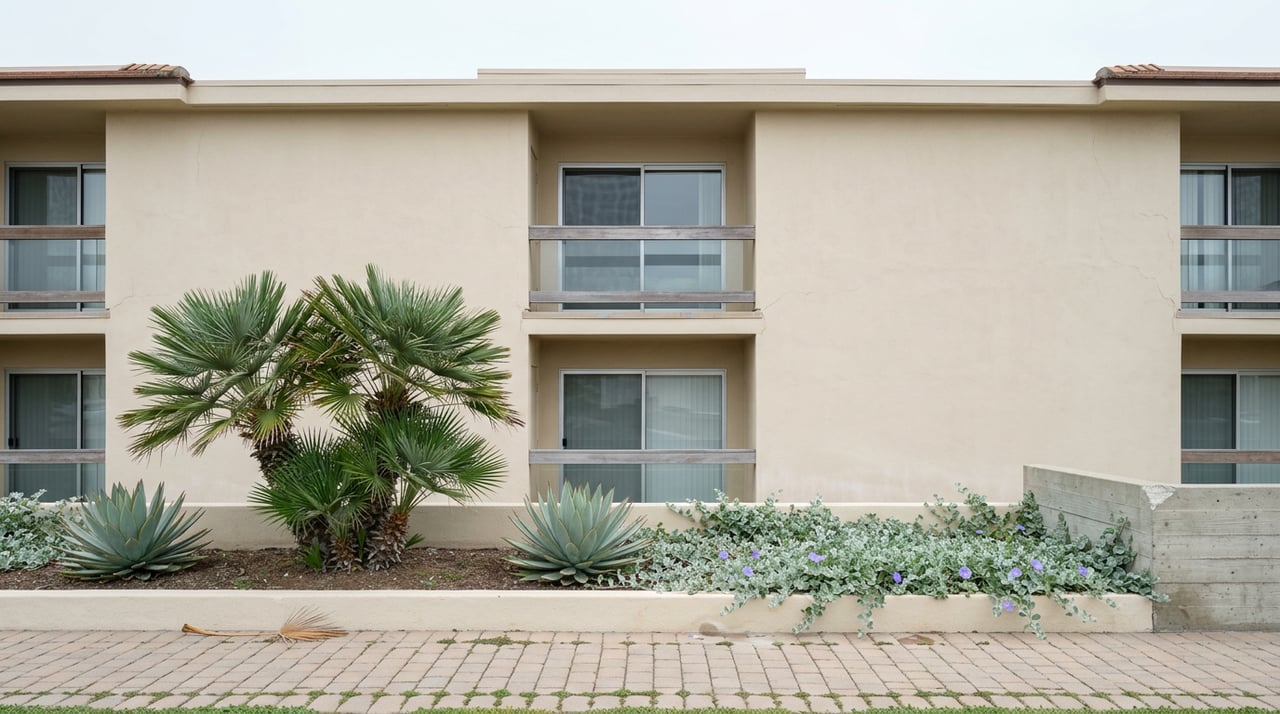
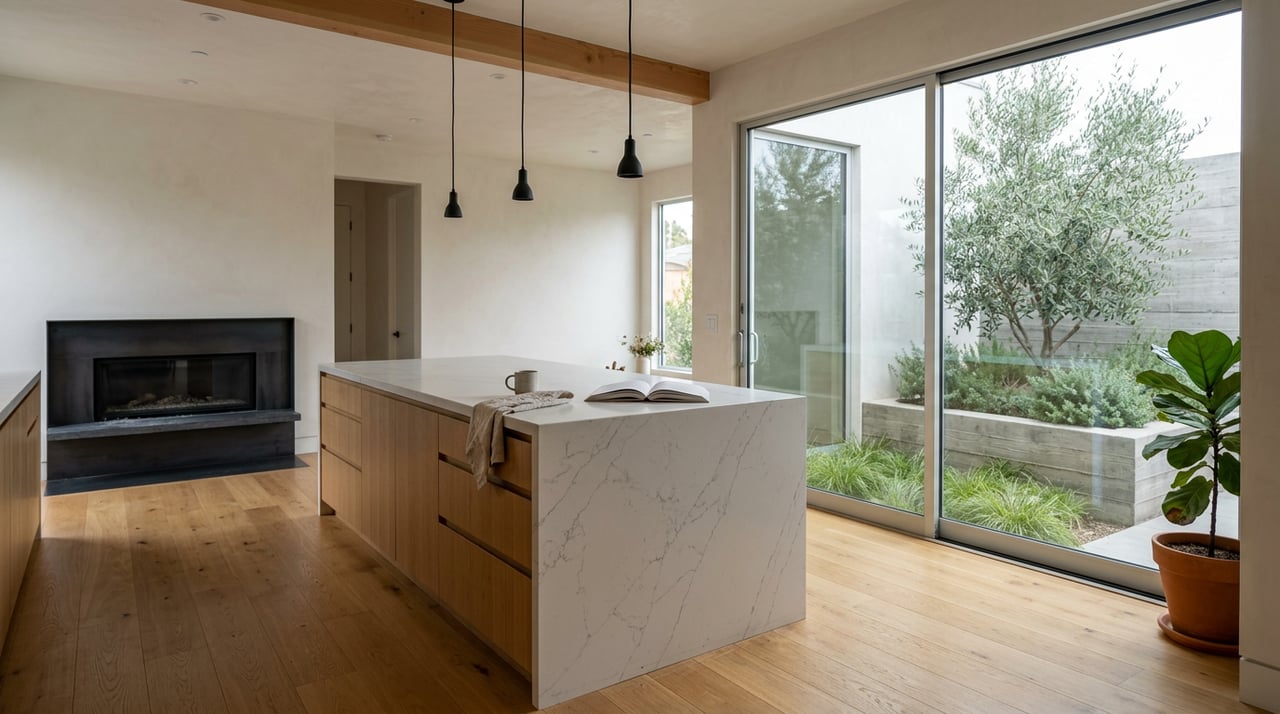
Two Coronado listings can share a price and share almost nothing else. One is a 1920s cottage three blocks from Orange Avenue where a fresh coat of paint may require design review. The other is an oceanfront tower unit with a doorman, a pool deck, and a monthly HOA bill that could cover a mortgage payment in most of the country. Both are in ZIP code 92118. Both show up under the same median on the portals.
That is the problem with reading Coronado through a citywide number. Zillow put the average Coronado home value at about $2.59 million as of mid-2026, Orchard reported a median sale price of $3.125 million over a recent 30-day window, and Altos showed a median list price of $3,750,000 in mid-July 2026 with a Market Action Index around 31 and 55 active listings. Those figures describe three different snapshots of what is really three different markets stacked inside 13.5 square miles. The thesis of this post is simple: in Coronado, monthly carry and governance rules matter more than the sticker price, and comparing homes without separating the Village, the Shores, and the Cays is comparing three ownership experiences as if they were one.
What the mid-2026 numbers actually say
Coronado is not one line on a chart. It is a supply-constrained island with a buyer pool that has become more selective. Median days on market recently sat at 52, up from 39 a year earlier, the sale-to-list ratio was 98.57%, only 16.67% of homes sold above list, and 25% of listings had a price drop. Read those together and the picture is bifurcated. Well-priced, well-located homes still transact quickly and close near list. Everything else negotiates.
Higher-income buyers here are not immune to payment pressure, they are simply more strategic about it. When rates ease, demand tightens on the best inventory. When rates stay higher, the buyer pool becomes more concession-focused, especially on condos with higher HOA dues or homes needing big-ticket work. That is why the same 92118 median can hide a Shores tower that sat 90 days and a Village cottage that closed in two weeks.
Three products, one ZIP code
Coronado Village
The Village is the walkable town center around Orange Avenue, and it holds the widest mix of housing types. Detached homes here trade on lot, location, and character rather than shared amenities. Village buyers lean on Coronado's public resources, since the city maintains parks, walking and bike paths, a community and aquatics center, a library, a boat launch, and a golf course. That means less monthly overhead than a resort-style condo but more direct responsibility for the property itself.
Coronado Shores
The Shores is the oceanfront condominium community south of the Hotel del Coronado. It includes 10 building complexes and about 1,500 units, with each tower operating its own condominium association and a master association overseeing common areas, amenities, and recreational facilities. That governance structure matters. A buyer here is joining two associations, not one, and each tower has its own budget, reserves, and personality.
Coronado Cays
The Cays is a planned waterfront community on the Silver Strand. It consists of condos, townhomes, and custom homes with more than 600 boat slips, organized into sub-villages such as Jamaica Village, Mardi Gras, and Port Royale. Some amenities are village-specific, with separate access rules and fees. Jamaica Village has a private beach for residents and accompanied guests, Mardi Gras and Port Royale have tennis courts reserved for their residents, and pool access depends on whether a given village's assessments support a pool. Two Cays homes on adjacent streets can offer meaningfully different amenity rights.
The carrying-cost gap the sticker price hides
This is where the median gets dangerous. Two units listed at $2.5 million can produce very different monthly numbers once dues are layered in.
At the Shores, one recent example illustrates the range. A unit at 1820 Avenida Del Mundo carried an HOA fee of $2,099 per month, which reflects the service-heavy nature of beachfront tower living. That number pays for elevators, lifeguards, pool staff, landscape crews, reserves for salt-air-exposed building envelopes, and the master association's operations. It is not a fee to resent. It is the price of the amenity model. But a buyer comparing that unit to a Village cottage at the same list price is comparing very different total monthly costs.
In the Cays, dues fund a broader operating apparatus. The HOA is organized around more than administration, with departments covering accounting, landscape, maintenance and docks, member services, operations, and safety functions, plus an Architectural and Environmental Control Committee and code-enforcement functions. If dock access is part of the appeal, verify early. Boat access depends on the specific property, village rules, and HOA requirements, since some slips are assigned to units and others may be rented with approval.
One rule cuts across all three products and deserves attention from investor-minded buyers. City rules prohibit residential rentals of 25 days or less, and some HOAs have additional restrictions. A short-term rental thesis does not survive contact with Coronado's ordinance, and that alone reshapes the math on any condo that penciled elsewhere as a vacation rental play.
Design review is the friction buyers don't see coming
Buyers often assume detached ownership means creative freedom. In Coronado, it often does not.
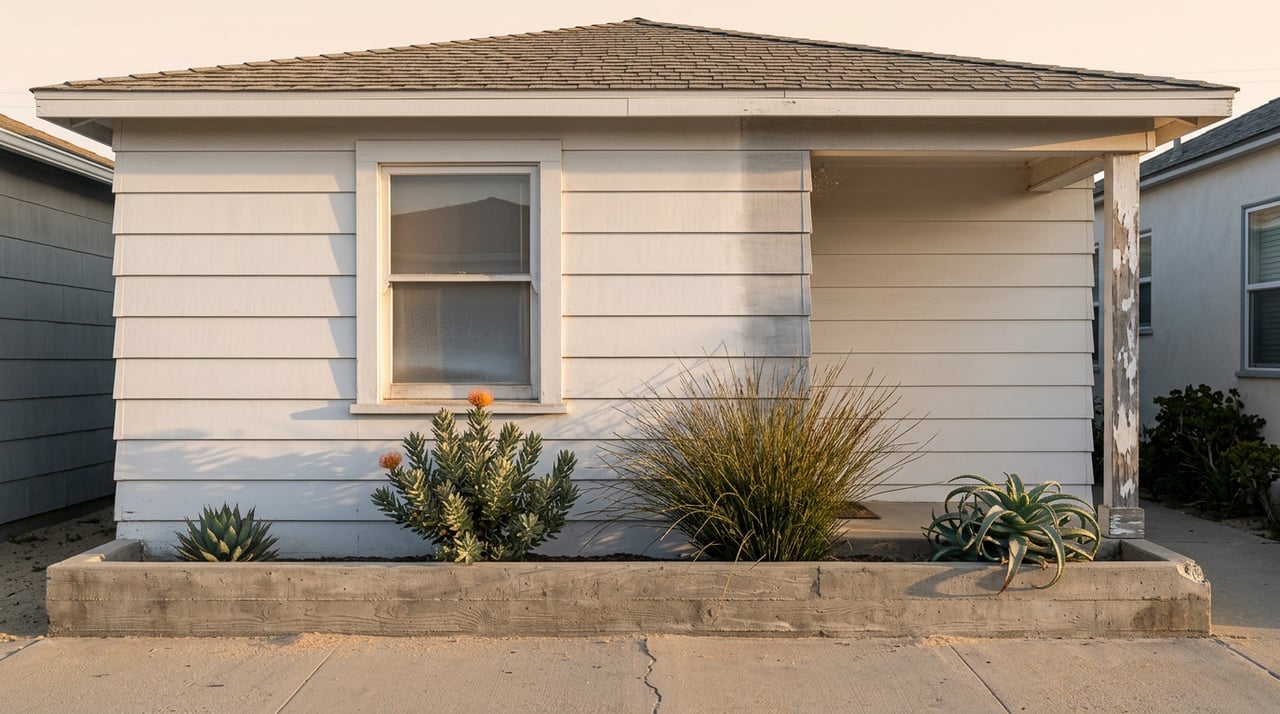
In the Village, older homes carry an added layer. Some properties may face historic preservation review if they are 75 years old or older and work affects original street-visible features, and exterior changes can also go through design review. A buyer planning to replace windows, reface a facade, or add a second story on a 1930s Village cottage should read the design guidelines before writing the offer, not after.
In the Cays, the review layer is HOA-driven. HOA design approval is typically required for improvements, and city permits may not be issued until that approval is in place. That sequencing detail catches out-of-town buyers regularly. The city will not stamp your plans until the association has signed off.
The practical takeaway: in Coronado, the phrase "detached home" does not mean "free to renovate." Two review bodies may need to agree before a permit is issued, and the timeline should be part of the offer strategy.
Supply is not going to save the affordability question
The City of Coronado has said the Cays is essentially built out with little remaining capacity for additional residential development. The Village is constrained by its historic pattern and lot sizes. The Shores is fully built. There is no meaningful new supply coming online at any price point. That is the underlying reason a market with 55 active listings and a Market Action Index of 31 can still feel like a seller's market on the best inventory while soft listings sit for months.
Questions worth asking before you write the offer
Instead of comparing list prices, compare these:
- What are the total monthly dues, and which association or associations do they fund?
- If it is a Shores tower, what do the master and tower reserve studies show?
- If it is in the Cays, which sub-village governs the property, and which amenities are village-specific versus community-wide?
- If it is a Village home, is the structure 75 years or older, and would planned work touch original street-visible features?
- Is there a slip, and does it convey with the property, transfer separately, or require HOA approval?
- Does your use case rely on any rental income under 25 days? If yes, rethink the plan.
FAQ
Is Coronado a buyer's or seller's market right now? Mixed. Median days on market was 52, up from 39 a year earlier, and 25% of listings had a price drop, which points to negotiability on soft inventory. Well-priced homes in strong locations still move quickly.
Are HOA dues at the Shores unusually high? They reflect the amenity and service model. A recent Shores example at 1820 Avenida Del Mundo showed $2,099 per month. Buyers should read each tower's budget and reserve study rather than assume a citywide figure.
Can I short-term rent a Coronado condo? City rules prohibit residential rentals of 25 days or less, and some HOAs impose additional restrictions.
Do all Cays homes have dock access? No. Access depends on the property, village rules, and HOA requirements, since some slips are assigned to units and others may be rented with approval.
If you are weighing a coastal move and trying to compare a Village cottage, a Shores tower unit, and a Cays waterfront home on more than list price, that comparison is exactly where a broker's read of carrying costs, review layers, and reserve health earns its keep. Aaron Castagna has spent more than two decades on transactions like these across San Diego's coastal communities. Let's connect and walk through the three products side by side, with the numbers that actually shape the decision.